
Mercedes Pascual
She moved to Mexico at the age of nine, when her family had to leave Spain as a result of the Spanish Civil War, where she began attending ballet classes, participating in the Ballet Moderno de Bellas Artes and the Ballet de Opera de Bellas Artes. She later studied acting with maestro Seki Sano and at the Andrés Soler Theater Academy. Her debut as an actress was in the play La soga in 1952. The following year she became a Mexican citizen. She was the driving force and founder of the National Theater Company, and joined the stable cast when it was restructured in 2008; in 2012, she was distinguished as a Number One actress. She had an extensive career as an actress, participating in films such as Persíguelas y alcánzalas, El retrato de Anabella, Jóvenes delincuentes, Ángel de fuego, Novia que te vea (for which she was nominated for an Ariel) and Cilantro y perejil, among many others. In television she has participated in several telenovelas, including Mi esposa se divorcia, Maximiliano y Carlota, El manantial del milagro, Viviana, Cuna de lobos, Teresa, Muchachitas, Retrato de familia and El candidato. She also acted in plays such as Miércoles de ceniza, Las criadas and El vestidor. Mercedes married diplomat Víctor Flores Olea with whom she had her only daughter, actress Mercedes Olea. She was previously married to actor Claudio Brook, with whom she had her daughter Claudia Brook. Her last participation was in the TV Azteca soap opera Emperatriz, where she played Doña Leonor Bustamante. At the age of nine she began attending ballet classes, "I started in the art because I saw some great ballet artists on a ship going from Finland to I don't know where. I saw them doing their warm-up and they fascinated me, I put myself in a little corner to do the same steps they did and they told me: come here to the bar and do it with us. At the age of 12. Mercedes Pascual entered dance classes with a Russian teacher Zakharov, later with Nina Shestakova and Sergio Unger. The actress did not give up professional dance until she was 25 years old and even then, she continued taking dance classes because she was certain that "many things could be translated from dance to theater". She received a scholarship from the French government to study drama in Paris, France, from 1960 to 1961 with Tania Balachova and mime with Jacques Lecoq. He was a founding member of the Université du Théâtre des Nations created in Paris in 1960. After her studies in France, she was called by Benito Coquet, Ignacio Retes and José Solé to join the Social Security Company from 1960 to 1964, The actress received a scholarship from the Instituto Nacional de Bellas Artes for a postgraduate course in drama in London, England, at the Royal Central School of Speech and Drama with Peter Hall and Liziz Picks in 1970. This scholarship was possible thanks to the support of Héctor Azar and the architect Luis Ortiz Macedo, director of INBA at the time.
Tuntud rollide järgi
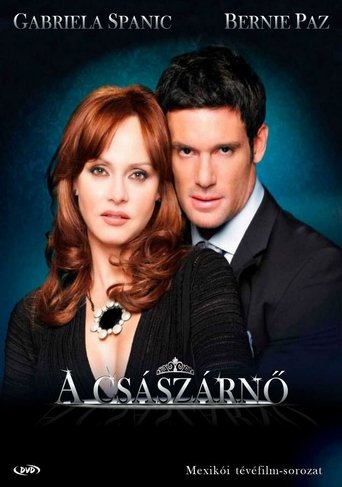 8.3
8.3 Emperatriz
2011
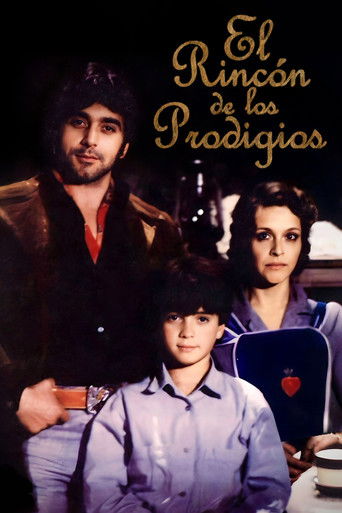 8.5
8.5 El rincón de los prodigios
1987
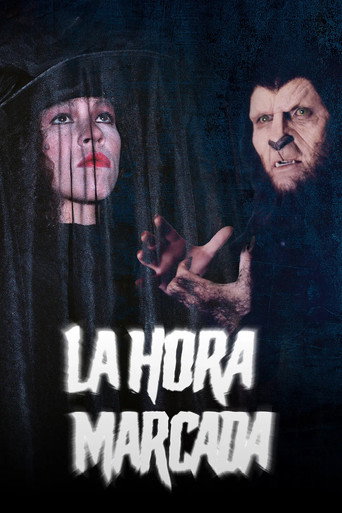 8.3
8.3 La hora marcada
1988
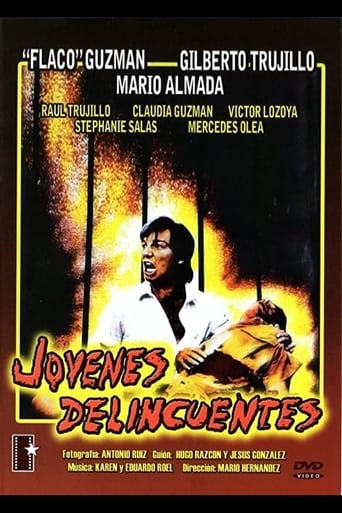 6.3
6.3 Jóvenes delincuentes
1991
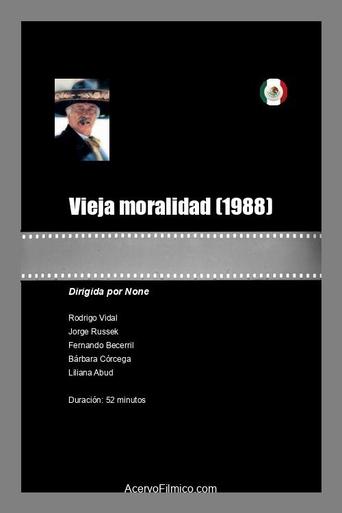 6.3
6.3 Vieja moralidad
1988
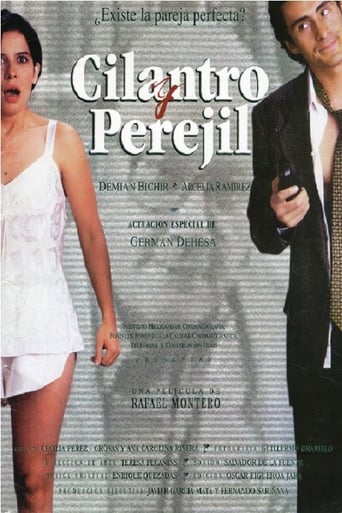 5.9
5.9 Cilantro y Perejil
1996
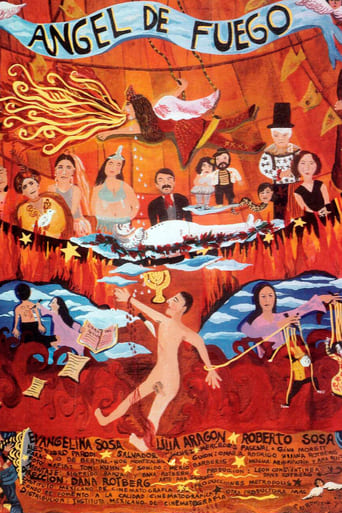 5.9
5.9 Ángel de fuego
1992
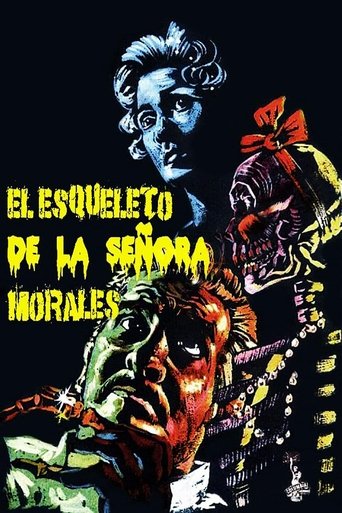 8.0
8.0 El esqueleto de la señora Morales
1960
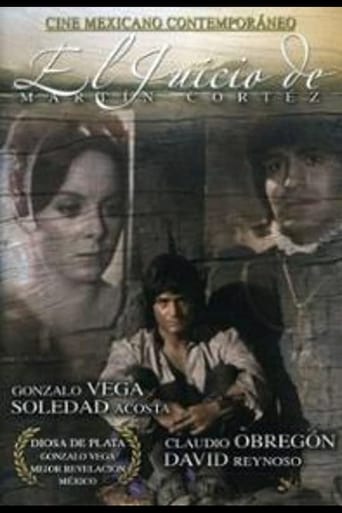 6.0
6.0 El juicio de Martín Cortés
1974
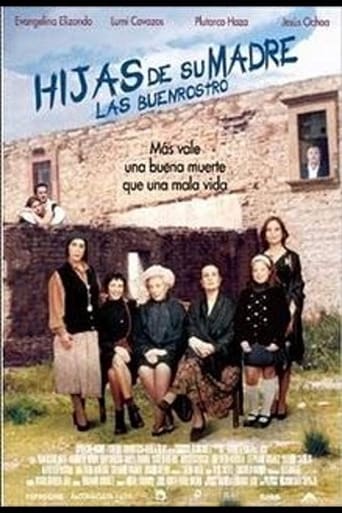 5.4
5.4 Hijas de su madre: Las Buenrostro
2006
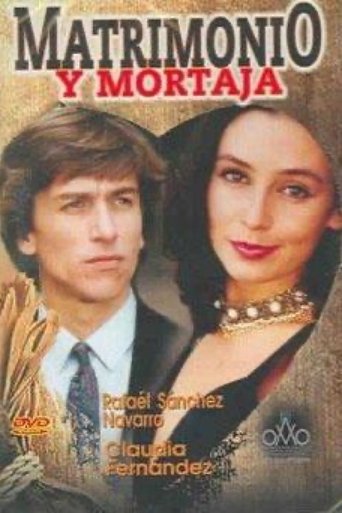
Matrimonio y mortaja
1992
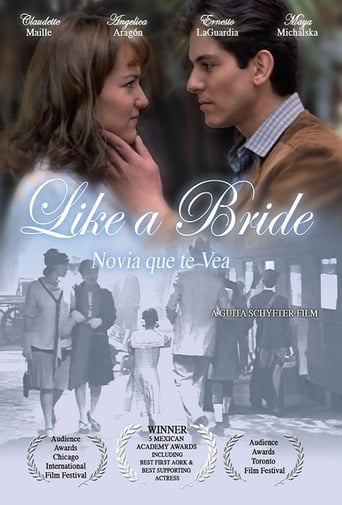 5.4
5.4 Novia que te vea
1994
Filmograafia
- 2016Tamara y la catarina (Mrs. Amalia)
- 2011Emperatriz (Leonor Bustamante)
- 2006Hijas de su madre: Las Buenrostro (Tais)
- 1999La paloma de Marsella
- 1996Cilantro y Perejil (Adela)
- 1994Novia que te vea (Abuela Sol)
- 1992Ángel de fuego (Josefina)
- 1992Matrimonio y mortaja
- 1991Jóvenes delincuentes
- 1988La hora marcada
- 1988Vieja moralidad (Angustias)
- 1988A la Misma Hora (Mme. Aymé)
- 1987El rincón de los prodigios (Rosario)
- 1987Una adorable familia
- 1986El Secreto (Abuela)
- 1980Aprendiendo a amar (Amanda)
- 1974El juicio de Martín Cortés (María Rosales (doña Juana de Zúñiga))
- 1969Persiguelas y... alcanzalas
- 1967Los años verdes
- 1963Las Troyanas
- 1960El esqueleto de la señora Morales (Lourditas Mendiolea)
- 1954El valor de vivir